Torque-to-Yield Bolts: Why You Can't Reuse Head Bolts
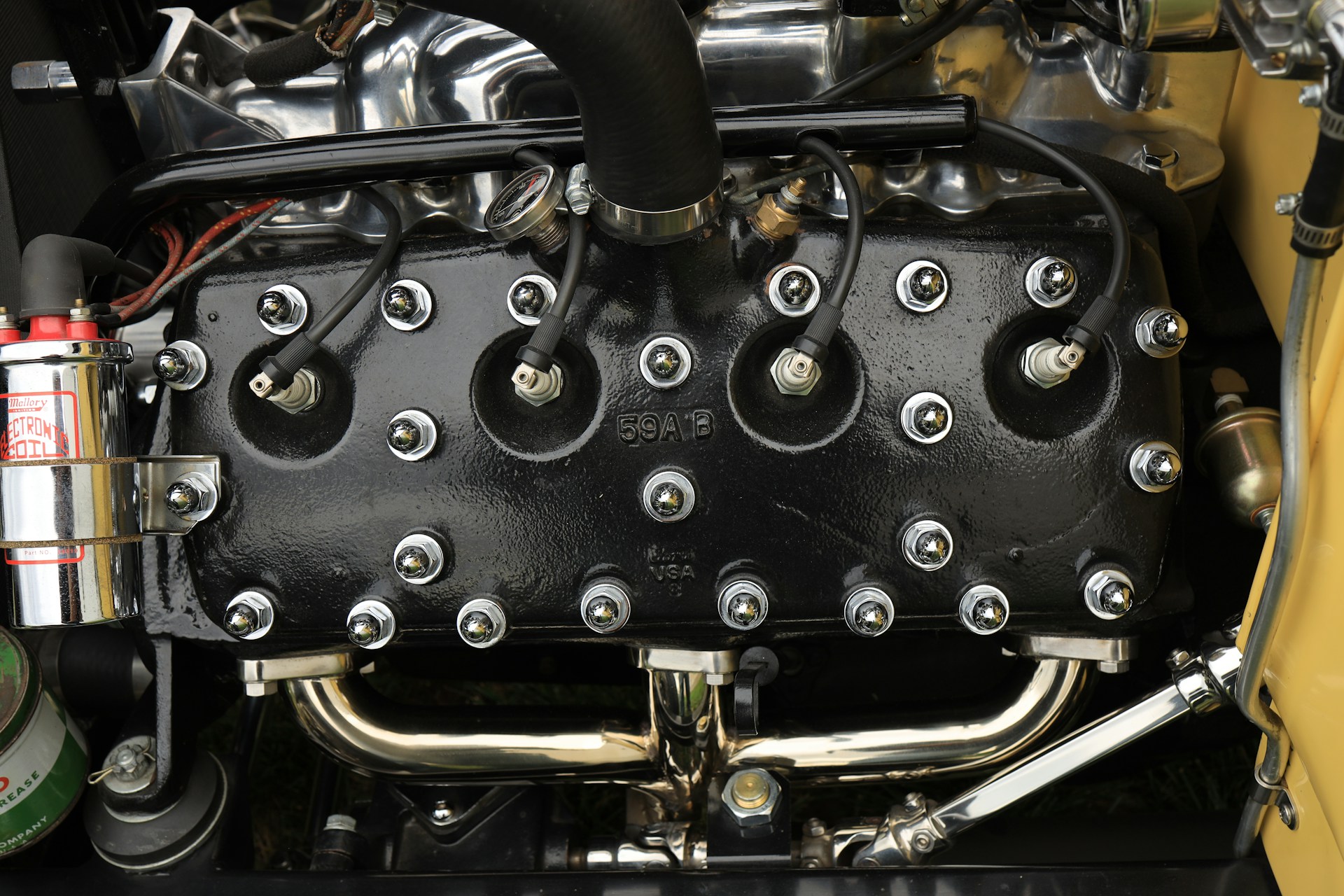
You’re rebuilding an engine. The service manual says head bolts are “torque-to-yield” and must be replaced. New bolts cost $150. Can you really not reuse the old ones?
No. You really can’t. Here’s why.
What Torque-to-Yield Means
Standard bolts are tightened to a specific torque value. They stretch slightly within their elastic range—like a spring that returns to shape.
Torque-to-yield (TTY) bolts are intentionally stretched past their elastic limit, into the plastic deformation zone. They don’t spring back. They’re permanently stretched.
Why do this? Because a stretched bolt provides more consistent clamping force. It’s actually stronger when holding things together.
The Torque-Angle Spec
TTY bolts use a two-step tightening process:
- Initial torque: Snug the bolt to a base value (e.g., 25 ft-lbs)
- Angle turn: Rotate the bolt a specific number of degrees (e.g., 90° + 90°)
The angle turn is what stretches the bolt into yield. You’re not measuring torque at this point—you’re measuring rotation.
Understand Torque-Angle
Calculate the relationship between torque and angle specifications.
Calculate Torque-Angle →Why This Is Better
Consistent clamping force: A torque spec alone is affected by friction, thread condition, and lubricant. Two bolts torqued to 60 ft-lbs might have very different actual tension.
The angle turn removes this variable. The bolt stretches the same amount regardless of friction. Clamping force is more predictable.
Higher clamping force: TTY bolts operate at higher stress levels than conventional bolts. More clamping force means better head gasket seal, more resistant to loosening.
Lighter weight: Because TTY bolts work harder, engineers can use smaller bolts. Modern engines save weight this way.
Why You Can’t Reuse Them
Once a TTY bolt has been stretched past yield, it’s permanently deformed. Reusing it means:
- Starting from an already-stretched position
- The bolt may stretch further than intended
- Clamping force becomes unpredictable
- Risk of bolt failure (breaking during tightening or in service)
A $150 set of head bolts versus a $3,000 engine rebuild from a failed bolt. Easy math.
Common TTY Applications
Cylinder head bolts: Most modern engines use TTY head bolts. The high clamping force is critical for head gasket sealing.
Main bearing cap bolts: Many engines use TTY bolts here too.
Connecting rod bolts: Some (not all) are TTY, especially in performance applications.
Flywheel/flexplate bolts: Some manufacturers specify TTY here.
Intake manifold bolts: Less common but some modern engines use them.
Always check the service manual. If it says replace, replace.
How to Identify TTY Bolts
Service manual: The definitive source. Will specify “replace” or “torque-to-yield.”
Torque spec includes angle: If you see “25 ft-lbs + 90° + 90°”, it’s TTY.
Physical inspection: TTY bolts often have identifying marks. Some have a visible “necked down” section. But don’t guess—check the manual.
Ask the parts store: They can often tell you if a bolt is TTY for your application.
The Tightening Process
Proper TTY installation:
- Clean threads: Both bolt and hole. Use a thread chaser if needed.
- Lubricate correctly: Use whatever the manual specifies (oil, moly paste, etc.)
- Initial torque: Bring all bolts to first-stage torque in sequence
- Angle turn: Use an angle gauge or torque-angle adapter
- Follow pattern: Always tighten in the specified sequence (usually inside-out)
Some bolts require multiple angle stages (90° + 90° done in two steps). Follow exactly.
Tools You’ll Need
Torque wrench: For the initial torque stage. Beam type or click type.
Angle gauge: Sits on the socket, shows rotation in degrees. About $20.
Torque-angle adapter: More precise, measures angle electronically. $50-150.
Some modern torque wrenches have built-in angle measurement. Worth the investment if you work on modern engines.
What If You Over-Rotate?
If you turn past the specified angle, the bolt is overstressed. Replace it.
If you’re doing multiple angle stages (90° + 90°) and over-rotate the first stage, you’ve over-stretched early. Replace it.
TTY bolts have no room for error. They’re engineered for a specific total stretch.
Aftermarket Alternatives
For some applications, you can buy aftermarket studs instead of TTY bolts:
ARP studs: Designed to be torqued (not angle-turned) and reused. More expensive but eliminate the replace-every-time cost.
Other brands: Various manufacturers offer similar products.
For race engines or builds where the head comes off regularly, studs can be cost-effective. For a one-time rebuild, factory TTY bolts are fine.
The Bottom Line
TTY bolts exist because they provide better, more consistent clamping than conventional fasteners. The trade-off is they can only be used once.
When the manual says “replace,” it’s not a suggestion. It’s not the dealer trying to sell you parts. It’s physics. A stretched bolt can’t be stretched the same way twice.
Buy the new bolts. Your engine will thank you.