Tire Size Calculator: How to Read 265/70R17 (With Examples)
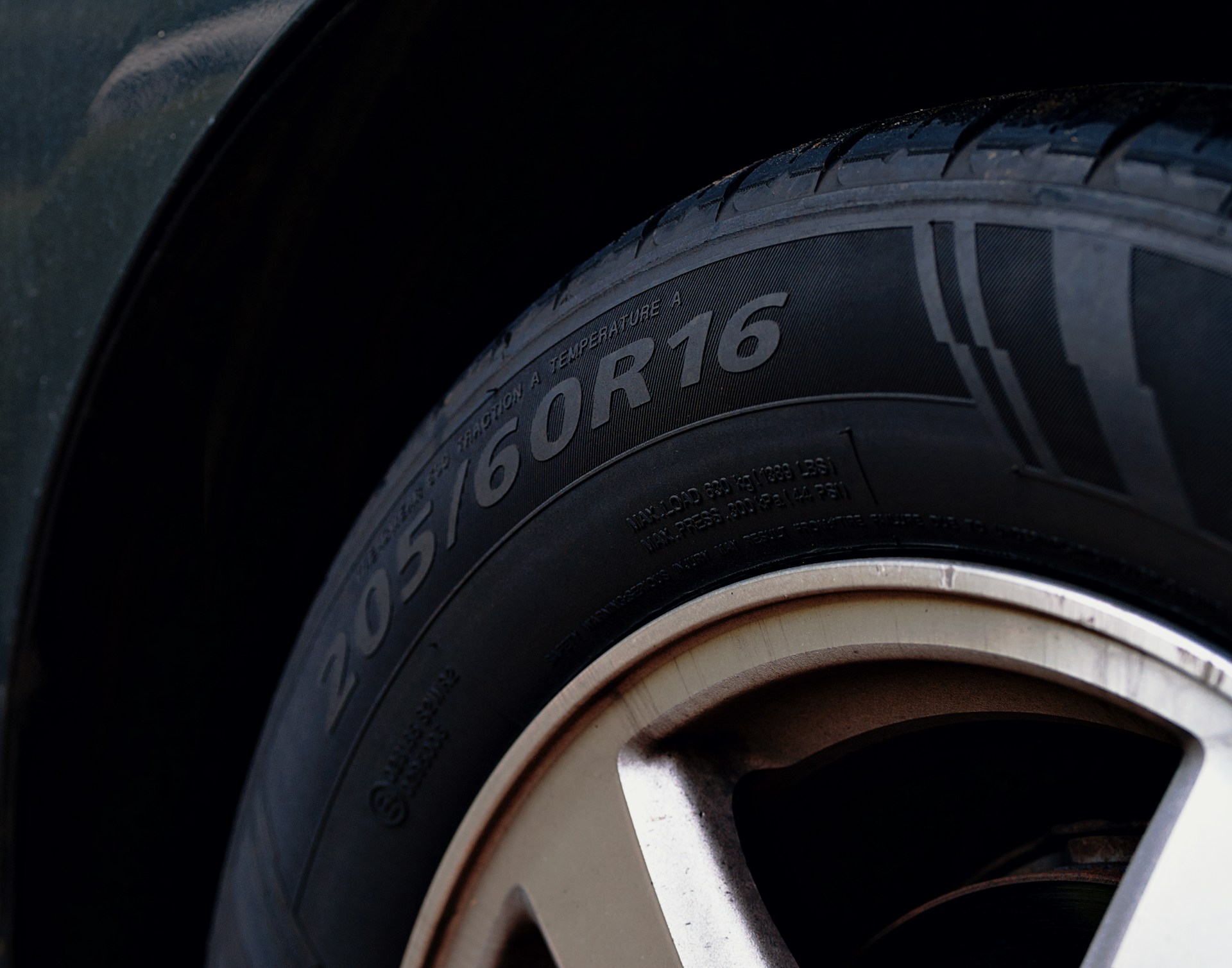
You’re staring at the side of your tire and see “265/70R17” molded into the rubber. What does it actually mean? And more importantly, if you’re thinking about upgrading to bigger tires, how do you know what will fit?
Understanding tire sizes isn’t just trivia—it’s essential knowledge for anyone modifying their vehicle, replacing worn tires, or trying to figure out why their speedometer seems off.
Breaking Down the Numbers
Let’s decode 265/70R17 piece by piece:
- 265 = Section width in millimeters (how wide the tire is)
- 70 = Aspect ratio (sidewall height as a percentage of width)
- R = Radial construction (virtually all modern tires)
- 17 = Wheel diameter in inches
So a 265/70R17 tire is 265mm wide, with a sidewall that’s 70% of 265mm (185.5mm), mounted on a 17-inch wheel.
Calculating Actual Tire Diameter
Here’s where it gets useful. The overall diameter of a tire determines your ground clearance, speedometer accuracy, and how your gearing feels.
The formula:
Diameter = Wheel Size + (2 × Sidewall Height in inches)For our 265/70R17:
- Sidewall height = 265 × 0.70 = 185.5mm = 7.3 inches
- Total diameter = 17 + (2 × 7.3) = 31.6 inches
Skip the Math
Don't want to calculate by hand? Our tire size calculator does this instantly and shows speedometer error too.
Calculate Your Tire Size →Common Tire Size Comparisons
Here are some popular tire sizes and their actual diameters:
| Tire Size | Diameter | Common Use |
|---|---|---|
| 245/75R16 | 30.5” | Stock truck |
| 265/70R17 | 31.6” | Light upgrade |
| 285/70R17 | 32.7” | Popular mod |
| 315/70R17 | 34.4” | Serious lift |
| 35x12.50R17 | 35.0” | Off-road |
Why This Matters for Your Speedometer
When you install larger tires, your wheels cover more ground per revolution. Your speedometer doesn’t know this—it still thinks you have stock tires.
The result: Your speedometer reads slower than you’re actually going.
With a 10% larger tire, when your speedometer shows 70 mph, you’re actually doing about 77 mph. That’s a ticket waiting to happen.
The Plus-Sizing Trap
“Plus sizing” means going to a larger wheel with a lower profile tire to maintain the same diameter. In theory, 265/70R17 and 285/55R20 should be similar in diameter.
But they’re not always exact:
- 265/70R17 = 31.6”
- 285/55R20 = 31.3”
That 0.3” difference might seem small, but it’s enough to affect your speedometer by about 1%. Over thousands of miles, small errors add up in odometer readings—which can matter for warranties and resale.
Reading LT vs P-Metric
You might see tires labeled differently:
- P265/70R17 = Passenger metric (standard)
- LT265/70R17 = Light Truck (heavier construction)
- 35x12.50R17 = Flotation sizing (diameter x width)
LT tires are built tougher with more plies, but the size numbers work the same way. Flotation sizes (like 35x12.50) make diameter obvious—35 inches—but you’ll still want to verify since manufacturers round these numbers.
Practical Example: Upgrading a Wrangler
Let’s say you have a Jeep Wrangler with stock 255/75R17 tires (32.0”) and want to go bigger. Here’s how different options compare:
- 285/70R17 (32.7”): +2.2% larger, speedometer shows 70 when doing 71.5
- 315/70R17 (34.4”): +7.5% larger, speedometer shows 70 when doing 75.3
- 35x12.50R17 (35.0”): +9.4% larger, speedometer shows 70 when doing 76.6
At 35s, you’re almost certainly going to want a regear to restore power and fuel economy. The engine has to work harder to turn those bigger tires.
What About Load Ratings?
Tire size numbers don’t tell you load capacity. That’s a separate rating (like 121/118Q) that matters especially for trucks and towing. A larger tire isn’t automatically stronger—always check load ratings match or exceed your vehicle’s requirements.
Key Takeaways
- Width is in millimeters, aspect ratio is a percentage, wheel size is inches
- Calculate diameter to compare tire sizes accurately
- Larger tires = speedometer reads slow (you’re going faster than shown)
- Plus sizing isn’t always exact—verify the math
- LT tires use the same sizing system with heavier construction
Understanding tire sizes lets you make informed decisions about upgrades, avoid speedometer surprises, and talk to tire shops without getting confused. The math isn’t hard once you know what the numbers mean.