The Speedometer Lie: How Much Your GPS Really Differs
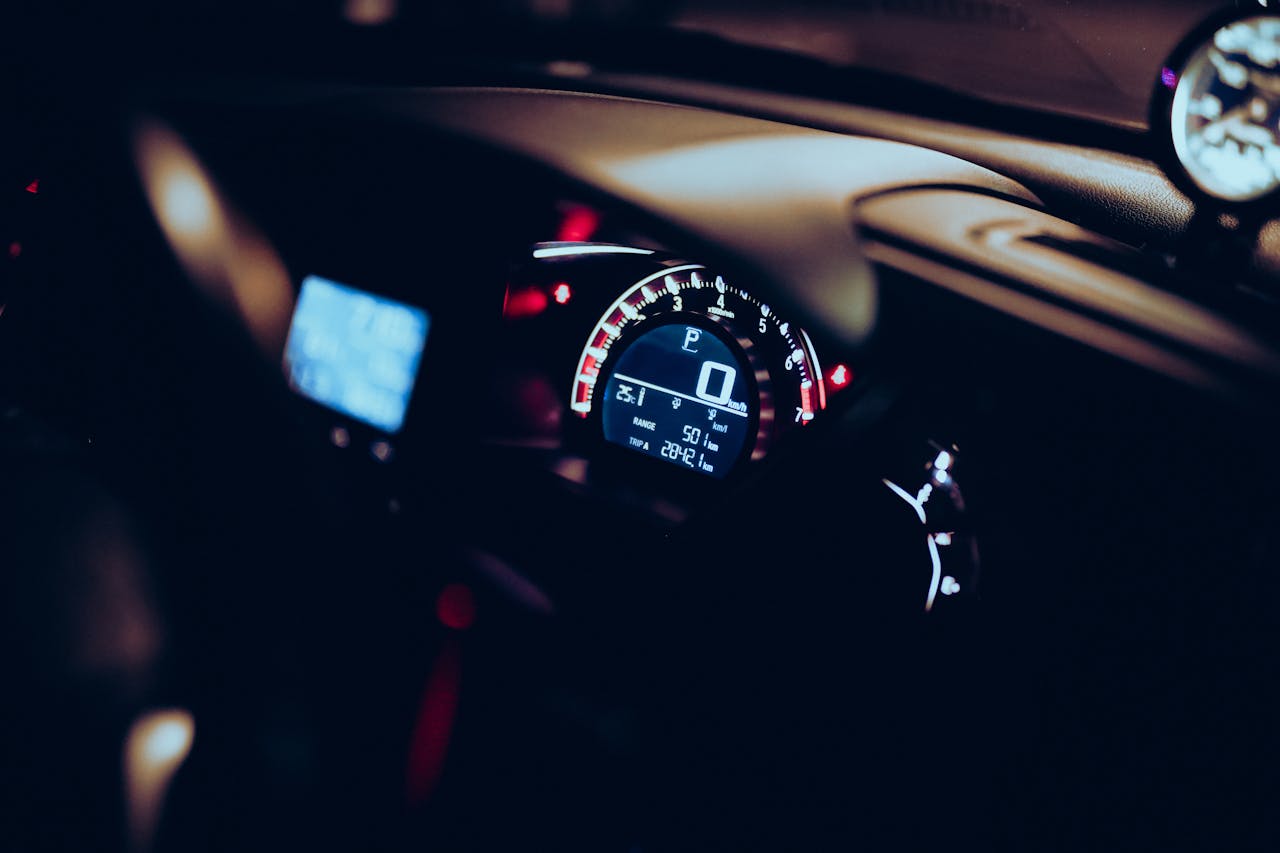
You’re cruising at 70 mph according to your speedometer. Your GPS says 74. Your friend’s phone agrees—74. So which one is lying?
Here’s the truth: your speedometer is almost certainly wrong, and the GPS is almost certainly right. Let’s dig into why.
How Speedometers Work
Your speedometer counts wheel rotations. It knows how many times the axle spins per mile (based on factory tire size) and converts that to speed. Simple math, executed millions of times per second.
The problem? It assumes you’re running the exact tires the factory specified. Change anything about your tire size, and the math breaks.
Why Manufacturers Build In Error
Even on a stock vehicle, your speedometer typically reads 1-3% high. This is intentional. Manufacturers calibrate speedometers to slightly over-read because:
- Legal protection: If your speedometer shows 65 and you’re actually doing 63, you’re less likely to get a ticket
- Safety margin: Drivers who think they’re going faster tend to slow down
- Tire wear: As tires wear, diameter shrinks slightly—the built-in error compensates
This is why your brand-new car’s speedometer shows 72 when GPS says 70. It’s by design.
Calculate Your Speedometer Error
Enter your original and current tire sizes to see exactly how far off your speedometer is.
Check Your Error →The Tire Size Effect
When you change tire size, the error compounds. Here’s the formula:
Speed Error % = ((New Diameter - Stock Diameter) / Stock Diameter) × 100Example: Stock 30” tires, new 33” tires:
((33 - 30) / 30) × 100 = 10% errorWhen your speedometer reads 70 mph:
Actual Speed = 70 × 1.10 = 77 mphYou’re going 77 in a 70 zone while your speedometer says you’re fine. That’s how people get tickets “for no reason.”
The Odometer Problem
Speedometer error also means odometer error. With 10% larger tires, every “mile” on your odometer is actually 1.1 miles driven.
After 100,000 odometer miles, you’ve actually driven 110,000 miles. This affects:
- Warranty claims: Your 60,000-mile warranty expired at 54,545 odometer miles
- Maintenance intervals: Oil changes “every 5,000 miles” are really every 5,500
- Resale value: Your “low mileage” vehicle has more wear than the odometer suggests
Conversely, going to smaller tires means your odometer over-counts. Your 100,000-mile truck actually has 90,000 miles of wear. Great for selling, bad for buying.
Why GPS Is More Accurate
GPS calculates speed by measuring position changes over time. It doesn’t care about wheel size, tire pressure, or calibration. It’s measuring actual movement through space.
Modern GPS is accurate to within about 0.1 mph under good conditions. Your speedometer, even when perfectly calibrated, typically has 2-4% margin of error built in.
GPS can be wrong too—in tunnels, urban canyons, or during satellite issues—but on open roads, trust the GPS.
Fixing Speedometer Error
Several options exist:
Programmer/Tuner: Many vehicles can be recalibrated with a handheld programmer. Input your new tire size, and it adjusts the speedometer. Cost: $300-600.
Speedometer calibrator: Inline devices that intercept the speed signal and adjust it. Simpler than a full programmer but only fixes the speedometer. Cost: $50-150.
Instrument cluster reflash: Dealers can sometimes recalibrate speedometers, though many refuse for liability reasons. Cost: Varies widely.
Just use GPS: Not ideal, but some people just rely on a GPS app or mounted device for speed. The dashboard becomes decoration.
Common Error Amounts
Here are typical speedometer errors for common tire upgrades:
| Stock → New | Error | Shows 70, Going… |
|---|---|---|
| 30” → 31” | +3.3% | 72.3 mph |
| 30” → 32” | +6.7% | 74.7 mph |
| 30” → 33” | +10% | 77 mph |
| 30” → 35” | +17% | 81.7 mph |
| 32” → 35” | +9.4% | 76.6 mph |
That 35” tire upgrade? You’re going almost 12 mph faster than your speedometer shows. In a school zone showing 25, you’re actually doing 29.
The Legal Angle
Most jurisdictions have a small tolerance for speedometer error (typically 2-5 mph). But that assumes stock equipment. Modified vehicles get no such consideration.
If you get a ticket going 82 in a 70 zone, “my speedometer said 70” isn’t a defense. The officer’s radar is calibrated; your modified speedometer isn’t.
What To Do
- Calculate your error using your old and new tire sizes
- Use GPS as primary speed reference until you recalibrate
- Recalibrate if possible with a programmer or calibration device
- Drive to GPS speed not speedometer speed
Your speedometer is just a guess based on assumptions that may no longer apply. Know your actual speed, especially with bigger tires.