How Much Horsepower Do I Need? The Math Behind Getting Fast
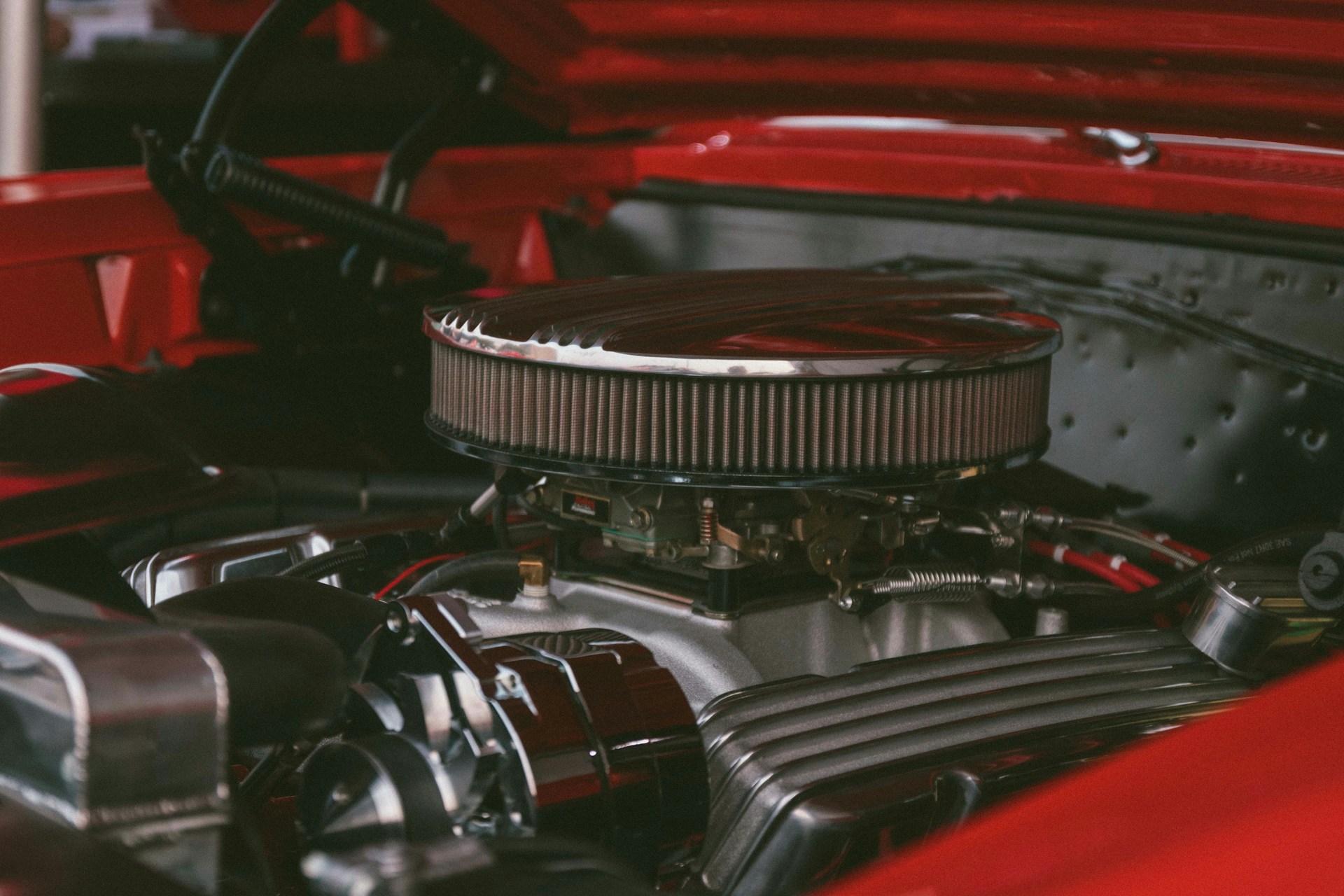
Everyone wants more horsepower. But how much do you actually need? There’s a point where more power stops being useful and starts being expensive, unreliable, or even dangerous.
Let’s figure out the right number for your goals.
The Power-to-Weight Baseline
First, understand where you’re starting. Power-to-weight ratio determines acceleration:
Lbs per HP = Vehicle Weight / HorsepowerBenchmarks:
- 20+ lbs/HP: Slow, economy car territory
- 15-20 lbs/HP: Adequate, gets out of its own way
- 10-15 lbs/HP: Legitimately quick, fun to drive
- 7-10 lbs/HP: Fast, sports car territory
- 5-7 lbs/HP: Very fast, supercar territory
- Under 5 lbs/HP: Violent, race car territory
Where are you now? Where do you want to be?
The Math for Your Goals
Goal: “Just feel faster”
If your car currently feels slow, you probably have 15+ lbs/HP. Dropping to 12-13 lbs/HP makes a noticeable difference.
Example: 3,500 lb car with 200 HP (17.5 lbs/HP)
- Target: 12 lbs/HP
- Required HP: 3,500 / 12 = 292 HP (need +92 HP)
Plan Your Build
When building power, you'll need to know injector and fueling requirements.
Calculate Fuel System Needs →Goal: “Run 12s in the quarter mile”
A 12-second quarter mile typically requires around 10-11 lbs/HP with good traction and driving.
Example: 3,500 lb car (with driver)
- Target: 10.5 lbs/HP
- Required HP: 3,500 / 10.5 = 333 HP
Goal: “Run 10s in the quarter mile”
Now we’re talking serious power. 10-second runs need roughly 7-8 lbs/HP.
Example: 3,500 lb car
- Target: 7.5 lbs/HP
- Required HP: 3,500 / 7.5 = 467 HP
The Cost of Horsepower
Here’s the uncomfortable truth—horsepower gets exponentially more expensive:
| HP Range | Cost Per HP | Why |
|---|---|---|
| First 50 HP | $10-20/HP | Bolt-ons, intake, exhaust, tune |
| Next 50 HP | $30-50/HP | Cams, headers, better tune |
| Next 100 HP | $50-100/HP | Forced induction or engine work |
| Next 100 HP | $100-200/HP | Built internals, bigger turbo |
| Next 100 HP | $200+/HP | Race engine, exotic parts |
Going from 300 to 400 HP might cost $5,000. Going from 600 to 700 HP might cost $25,000.
The Reliability Curve
More power = more stress on every component:
Stock power: Engine, transmission, and driveline designed for it +25% power: Usually fine with bolt-ons, stock internals hold up +50% power: Getting risky, transmission might become weak link +100% power: Need built engine, upgraded transmission, axles +200% power: Full race build, expect regular rebuilds
That “1,000 HP street car” isn’t driving to work every day. It’s a show piece that breaks things regularly.
What About Daily Driving?
For a daily driver, here’s what actually matters:
Merging/passing: Covered by 250-300 HP in most cars Mountain driving: Covered by adequate torque, not peak HP Comfortable cruising: Actually worse with lots of power (touchy throttle, firm suspension) Reliability: Goes down as power goes up
A 300 HP daily driver is genuinely fast enough. A 500 HP daily driver is overkill and often less pleasant to live with.
The Traction Problem
Power you can’t put down is wasted. Consider:
FWD car with 300 HP: Already spinning first gear. 400 HP just makes it worse.
RWD car on all-seasons with 500 HP: Spinning through second gear. Needs sticky tires.
AWD car with 600 HP: Finally hooks, but stresses driveline components.
More power requires better tires, sometimes suspension work, and upgraded driveline parts. Budget for the whole picture.
Real-World Power Levels
What works for different purposes:
Spirited street driving: 250-350 HP in a 3,000-3,500 lb car Weekend canyon carving: 300-400 HP with good suspension matters more Occasional track days: 350-500 HP, but brakes and cooling matter more Drag racing: As much as you can afford and control Daily commuting: Whatever came from the factory is fine
How to Decide
- Calculate current lbs/HP - Know your starting point
- Define your goal - Quarter mile time? Track use? Just faster?
- Calculate required HP - Use target lbs/HP for your goal
- Estimate cost - Be realistic about what the mods cost
- Consider reliability - Can you afford it if it breaks?
- Check traction - Can you even use the power?
The Honest Answer
Most people who ask “how much HP do I need” would be perfectly happy with 300-400 HP in a reasonably light car. That’s genuinely fast, reliable with quality parts, and affordable to maintain.
The people who need 600+ HP are drag racers, time attack competitors, and people with more money than sense. There’s nothing wrong with that—but be honest about which category you’re in.
The right amount of horsepower is “enough to achieve your actual goal, and no more.”